How to exercise your puppy without strain
Knowing how much exercise your puppy needs can be tricky. When you go looking for answers, you'll find the recommendations vary depending on who you ask, and it can be hard to navigate through all the information. That's partly because the advice has changed over time, and because what matters is the individual dog's circumstances, the type of activity, and the amount of movement involved. Here are some guidelines that can be helpful for a growing puppy.
Walks
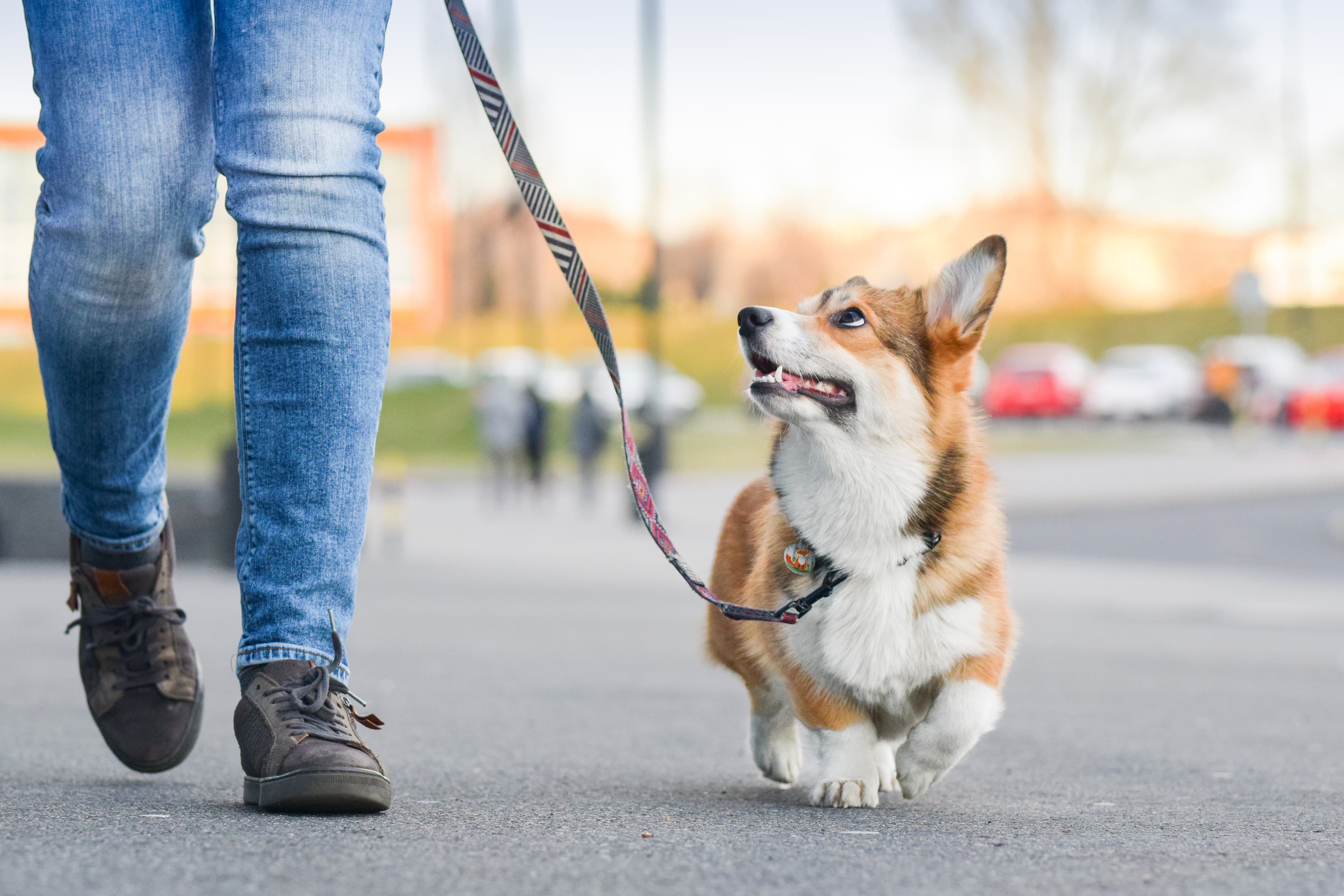
The "5-minute rule" used to be widely recommended, whereby you'd gradually build up the length of your puppy's walks. However, that guidance isn't backed by any research. Studies have shown that dogs with less muscle mass are at higher risk of hip dysplasia. At the same time, research suggests that puppies and young dogs allowed to move freely while growing up are less likely to be affected. This suggests that freedom of movement, and the chance to move properly, lays the foundations for a healthier life.
Let your puppy move freely on varied, soft surfaces. It's best not to let them tear around on slippery floors or hard ground — we'd encourage free movement outdoors, ideally on varied terrain. It's important to increase exercise gradually, to build up your puppy's fitness and muscles step by step. Adapt the pace to your puppy, and take breaks to get a feel for how they're doing on any given day.
The myth about stairs
The same study found that puppies who climbed stairs daily before they were three months old were at higher risk of developing hip dysplasia. The advice used to be not to let puppies climb stairs at all during their first year. However, this is hotly debated, and many experts now debunk the myth. Once your puppy can manage stairs on their own, you can let them explore stairs in moderation to help prepare them for adult life.
Preparing for adult life
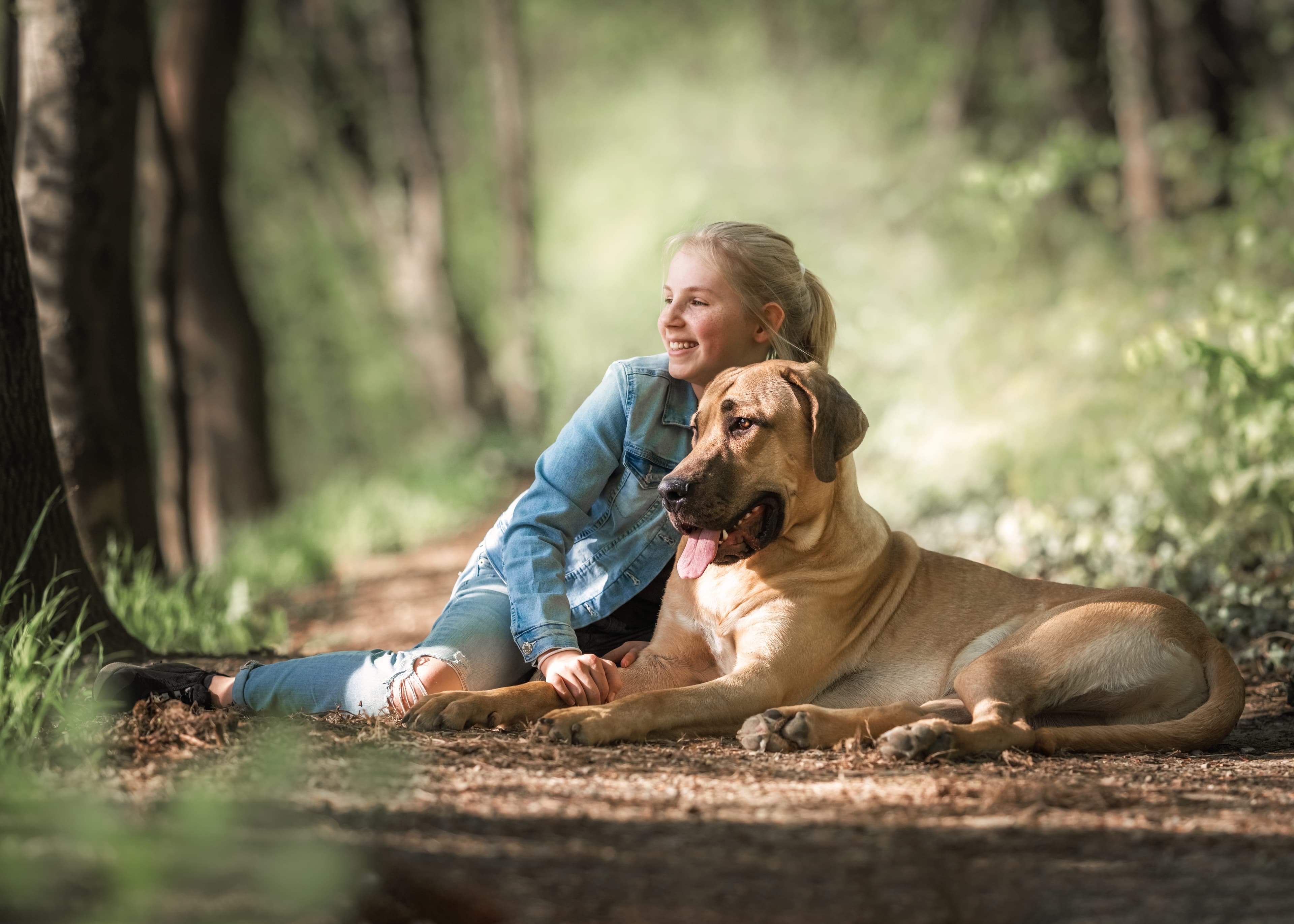
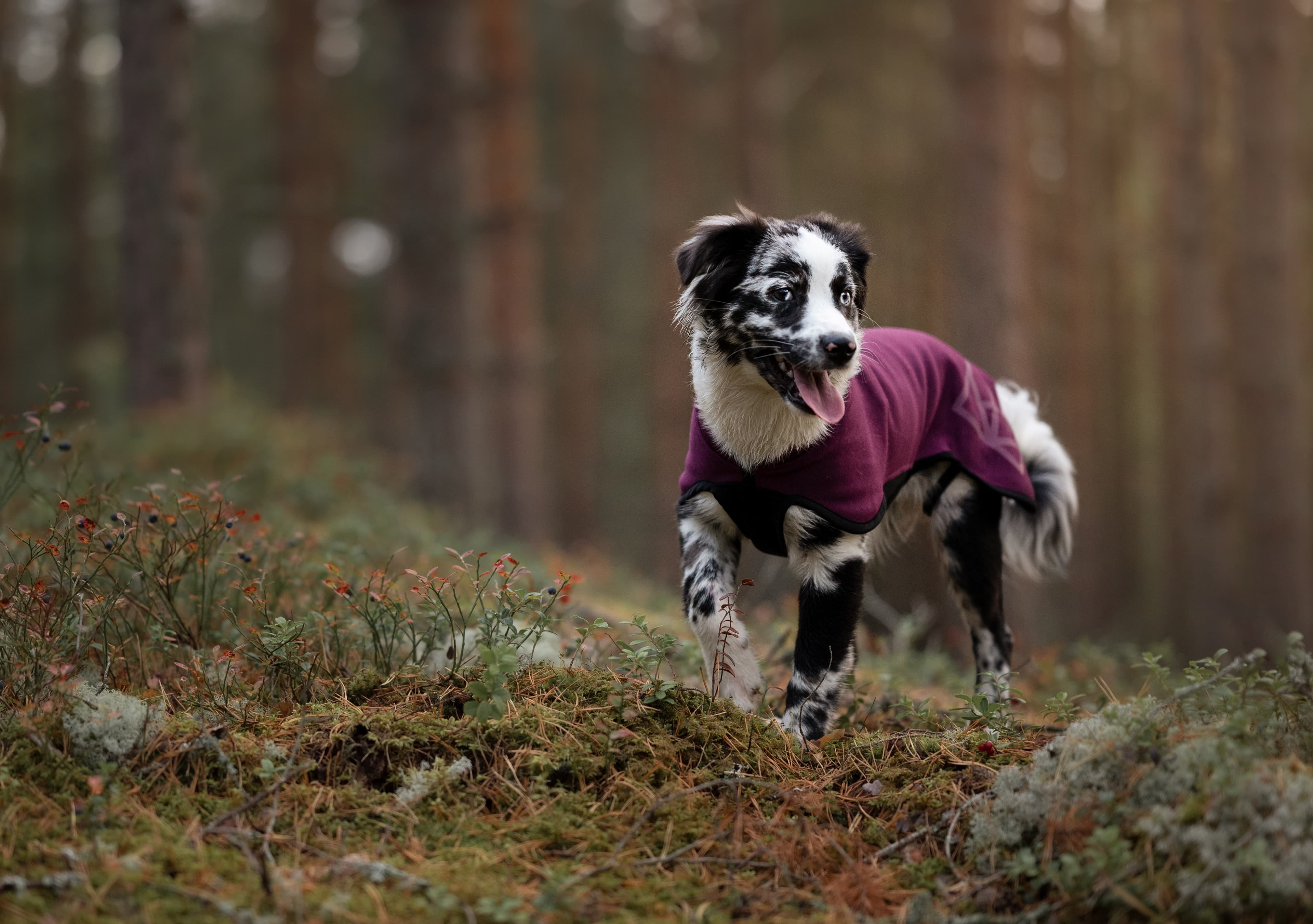
Prepare your puppy for life as an adult dog. In small doses, we can get our puppies ready for the kind of movement and life they'll have later on. Basic exercises that prepare the body without putting too much strain on it are both fun and a great way to strengthen your bond. For most activities, walks in the woods come highly recommended. In the woods, your dog gets to move over logs and stones, which is very good for building up their muscles and fitness.
Get to know your puppy
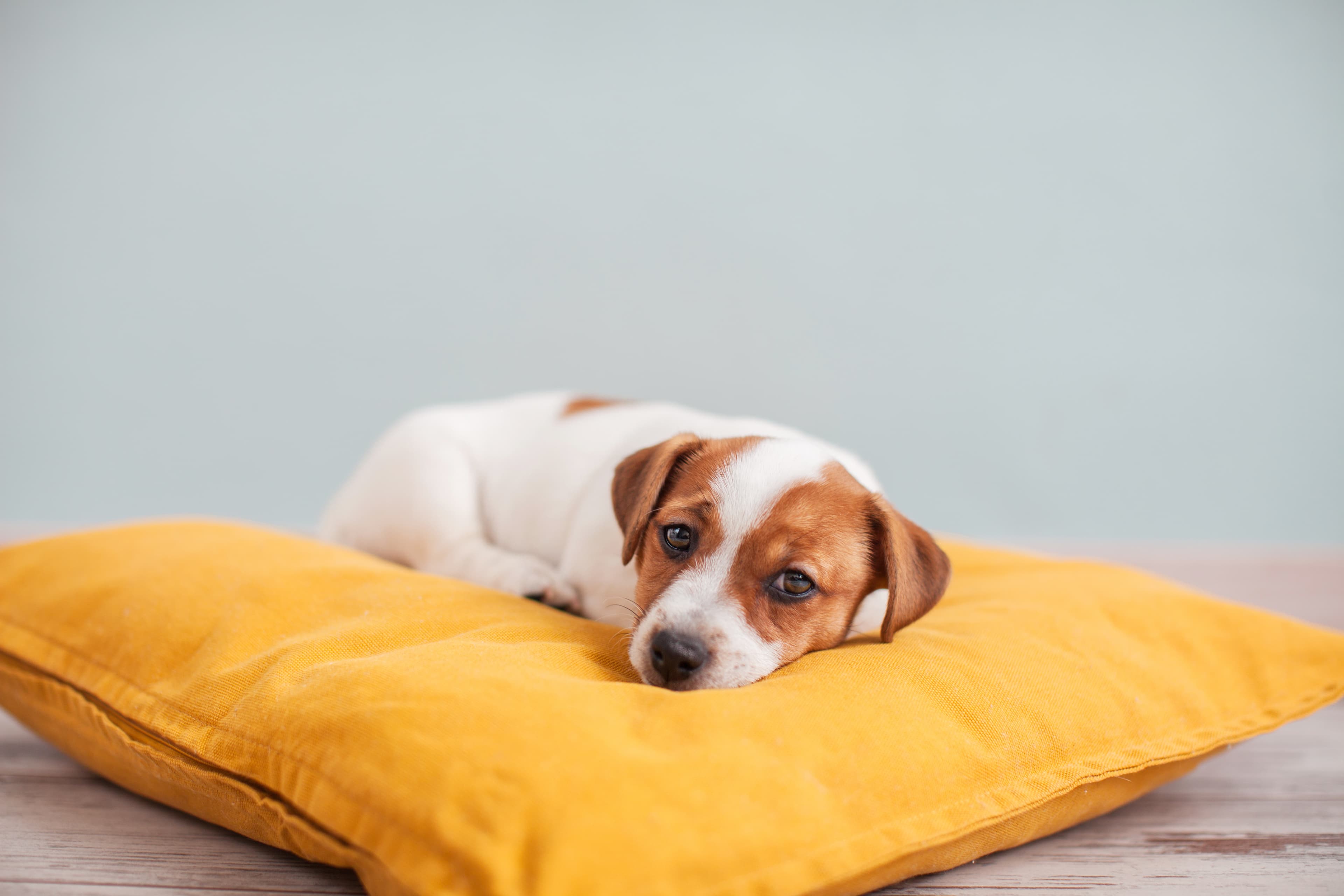
Puppies are individuals and show tiredness in different ways. There are a few general signals, though, that suggest your puppy needs a rest. They might start walking more slowly, sit down, or struggle with movements they could manage before. That's when it's time for a break, or to head inside and let your puppy rest. Some puppies can also become over-tired and keep going without showing signs of fatigue. That puts them at higher risk of injury, which is why it's so important to get to know your puppy and their signals.
Moderation is best
In summary: every puppy is an individual, and it's very hard to give a single recommendation that fits them all. Just remember that moderation is best. Moderate playtime, moderate walks, and moderate rest — check in with your puppy and get to know them. Prepare them for the fun life you're going to have together!